Emergency & critical care
Triage on arrival, stabilisation, pain relief and treatment for trauma, poisoning, breathing difficulty and acute illness. Open 24 hours.
- Oxygen therapy
- IV fluids and blood transfusion
- Emergency surgery
When your pet needs help right now, our emergency team in Yuen Long is ready. No appointment is needed for emergencies. Walk in, or call ahead so we can prepare for your arrival.
If you see any of these, come straight in and call us on the way. Every minute matters.
Call 2126 7440Two things a general clinic often has to refer out. We keep both in-house, so your pet is treated without delay.
Triage on arrival, stabilisation, pain relief and treatment for trauma, poisoning, breathing difficulty and acute illness. Open 24 hours.
Separate cat and dog wards plus an isolation ward, with round-the-clock nursing for pets who need more than a day visit.
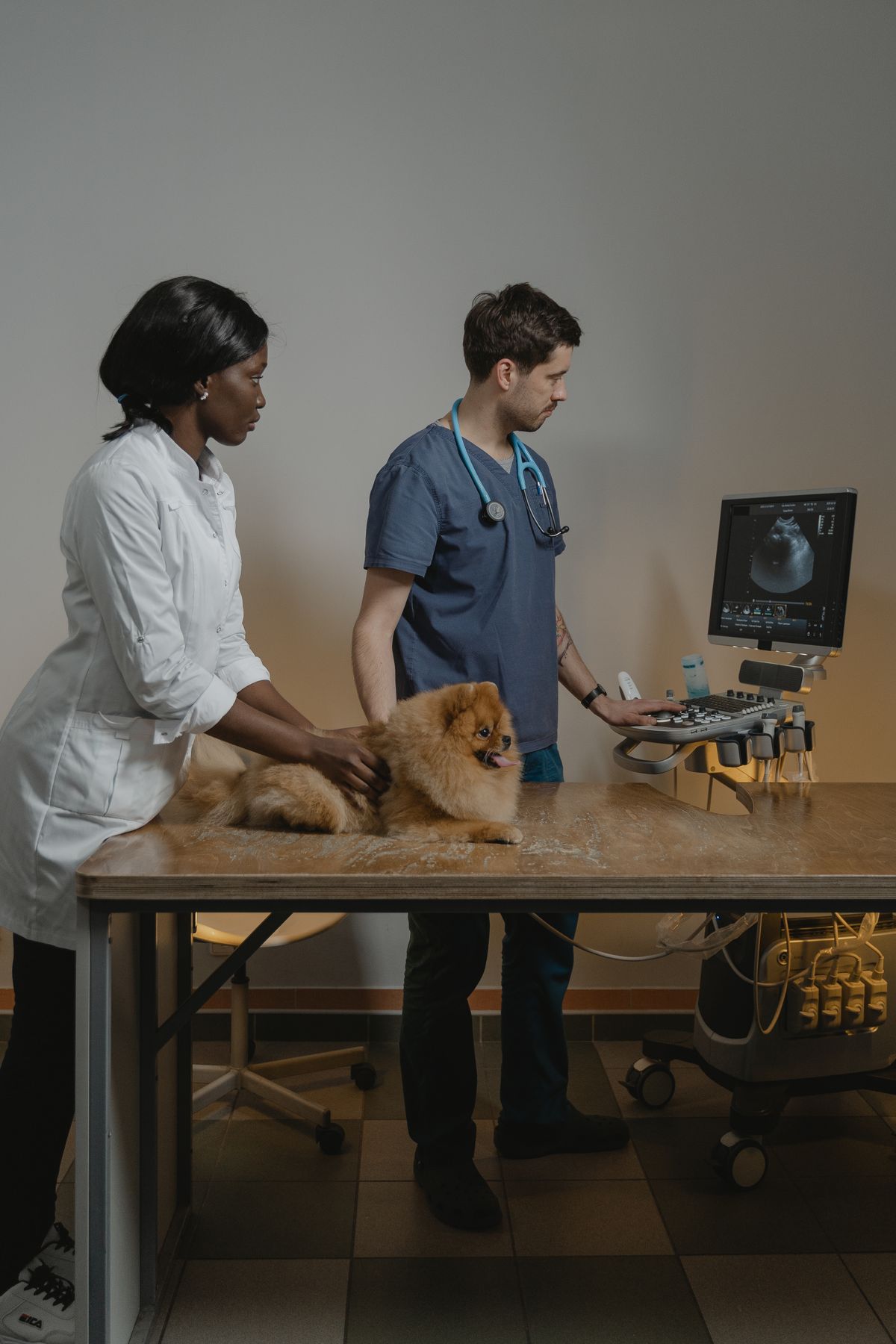
CT, X-ray, ultrasound, blood tests and microscopy on site, with images and reports shared with your regular vet.
Blood chemistry, haematology, urinalysis and rapid tests on site, so treatment decisions are not held up.
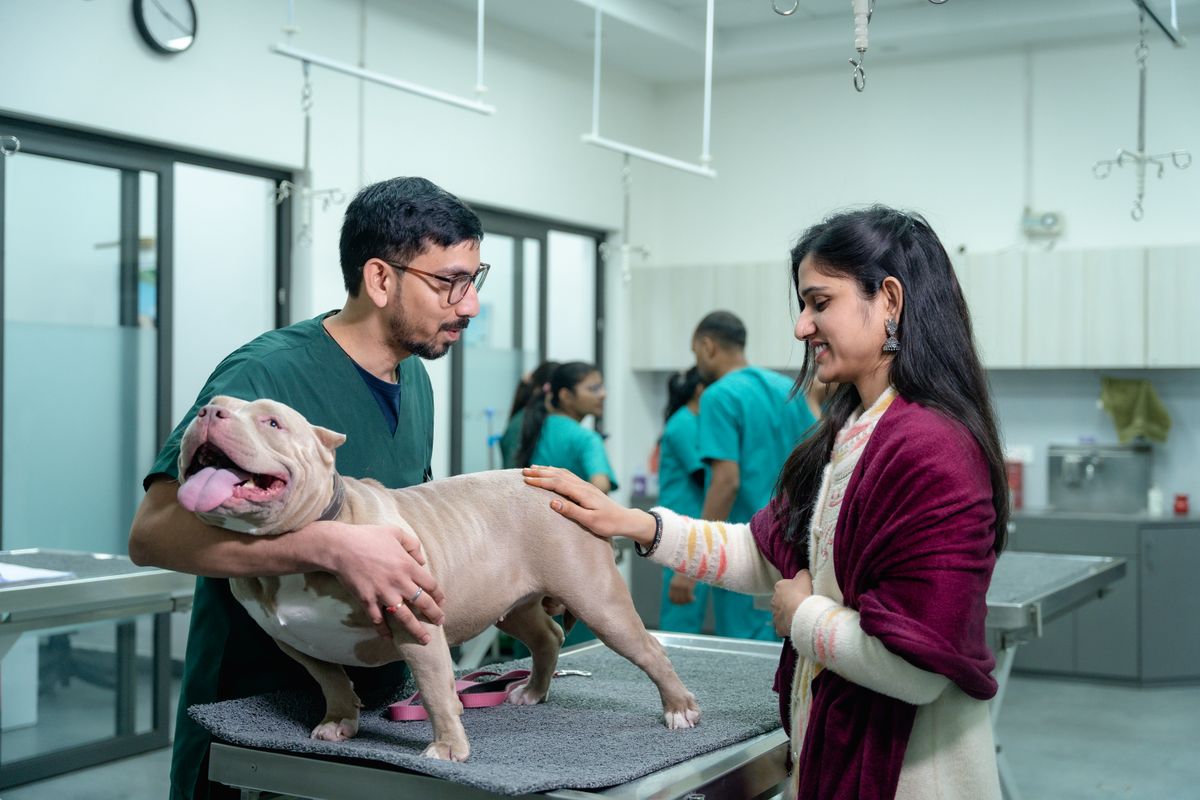
Neutering, wound repair, foreign-body removal and other soft-tissue surgery in our operating theatre, with full anaesthetic monitoring.
Referred by your vet, or want another view? We work alongside your regular clinic, not instead of it.
Rabbits, guinea pigs, chinchillas, hamsters, hedgehogs, birds, reptiles, fish and other exotic pets. Emergency and routine care by clinicians experienced with small mammals, avian and reptile patients.
Dental scaling and oral treatment. Bad breath, red gums or slower eating are reasons to book a check.
A plain guide to our equipment so you know which test matches which problem, and can tell us what you need when you book.
Imaging and lab work help the vet find the direction faster, especially when symptoms are not typical or several causes are possible, so treatment is not guesswork. We have CT, X-ray, ultrasound and blood-testing equipment on site to complete the picture from the consultation and physical exam.
Mouth problems are the ones owners most often miss. Bad breath, red or swollen gums, slower eating or a preference for soft food are reasons to book a check. We have dental scaling equipment and arrange oral care and dental procedures after the vet's assessment.
When a pet needs post-operative observation, fluids, medication monitoring or short-term close care, admission makes things safer and lets the team track changes. We have a cat ward, a dog ward and an isolation ward, so patients are separated by need and infection risk is managed.
Surgery usually means pre-operative assessment, anaesthetic monitoring, after-care and a follow-up visit, so a clear process and a properly equipped space matter. We have an operating theatre and provide oxygen therapy and other support for different clinical situations and recovery needs.
A nurse assesses your pet within minutes of arrival. Critical cases go straight through.
Oxygen, pain relief and fluids come first. We start before the paperwork is done.
Imaging and lab tests on site, with a clear explanation of what we found.
We agree a plan and an estimate with you before proceeding, and update you at each step.
Discharge notes and images go to your regular vet for follow-up care.
Emergency clinicians, imaging and internal medicine, a surgeon and an exotic-animal vet, supported by registered veterinary nurses around the clock.
Profiles shown are examples. Real names, qualifications and photos will be added before launch.
We accept referrals for emergency admission, hospitalisation, imaging and lab work. Your client stays your client.
Order online and we confirm by WhatsApp. Collect at the hospital, or choose delivery within Hong Kong.
Items marked "Prescription" are dispensed only for patients under our care or with a valid prescription; we check before confirming. Prices in HK$. Free collection at the hospital; delivery HK$60, free over HK$600.
For imaging, consultations and follow-ups. We will confirm your time by phone or WhatsApp.
Neutering, vaccines, parasites, common symptoms and what to do in an emergency, explained in plain language.
Neutering is the most common pet operation and the most effective way to prevent pyometra, mammary tumours and behaviour problems. Here is the timing, the procedure and the recovery, step by step.
SurgeryNeutering benefits a dog's health and behaviour, but the timing depends on size and breed. Here is how to choose the time, what the operation involves, and what to watch for at home.
Exotic petsNeutering a rabbit is not only about litters. The uterine cancer risk in females is too high to ignore, and neutering males solves spraying and fighting.
Prevention"Deworming" covers several different parasites that need different drugs. Here is the schedule, the common myths, and when to bring a stool sample for testing.
PreventionHeartworms live in the heart and lung arteries and are passed on by mosquito bites. Hong Kong has mosquitoes all year, and prevention is far safer and cheaper than treatment.
PracticalA dog licence is not optional in Hong Kong. It is the law, and the microchip behind it is the most reliable way a lost dog gets home. Here are the rules, the process and the common questions.
Straight answers about emergencies, visits, tests, dental care, surgery, hospitalisation, the online shop and how to find us.
No matching question. Ask us directly on WhatsApp and we will answer. WhatsApp 9176 1130
No. Come straight in, 24 hours a day, 7 days a week. If you can, call 2126 7440 on the way so the team can prepare for your pet's condition.
Difficulty breathing, collapse, seizures, a swollen hard belly with retching, straining to urinate without passing urine, eating something toxic, road accidents or falls, heavy bleeding, repeated vomiting or bloody diarrhoea, and heatstroke. If you are unsure, call us. We would rather see a pet that turns out to be fine than miss one that is not.
No. Home remedies such as salt or hydrogen peroxide can burn the stomach or cause aspiration, and some toxins do more damage coming back up. Call us immediately with the packaging; inducing vomiting is safe only within a short window and only for certain substances, and we do it with proper medication.
Come in immediately with the packaging. Most rat baits stop blood clotting, and bleeding starts days later, so a pet that looks fine today can still be in danger. Early treatment is simple; late treatment may need transfusions. Never wait for symptoms.
Fees depend on what your pet needs. We stabilise first, then explain the findings and agree a written estimate with you before further treatment. Payment is accepted by cash, card, FPS and bank transfer.
During triage and stabilisation you will be asked to wait so the team can work quickly. Once your pet is stable we bring you through, and we arrange visits for hospitalised patients.
Any medication your pet takes, previous test results or X-rays, a referral letter from your vet if you have one, and the packaging of anything your pet may have eaten. Bring cats and small pets in a secure carrier.
Yes. Besides dogs and cats we treat rabbits, guinea pigs, chinchillas, hamsters, hedgehogs, birds, reptiles, fish and other exotic animals. Emergencies can come straight in; for routine visits please book so we can arrange the right clinician.
Cantonese, English and Mandarin. The website is available in Traditional Chinese, Japanese and English.
The emergency service stays open 24 hours regardless of weather. Under Typhoon Signal No. 8 or above or a Black Rainstorm Warning, scheduled consultations, imaging and surgery are postponed and resume about two hours after the signal is lowered; we will call or WhatsApp you to rebook. Please travel only if it is safe to do so.
Send us a WhatsApp with your pet's name, the medication or diet, the quantity, a photo of the last label, and a short update on appetite, drinking, vomiting or diarrhoea, at least three days before you run out. Repeat medication is only dispensed for pets under our care, and long-term medication needs a periodic re-examination.
Yes to insurance from any insurer: you settle the bill and claim back, and we provide the itemised invoice and clinical notes the insurer needs. Check your policy's exclusions before elective procedures. For larger bills ask at admission about payment options; a written estimate and a deposit are required for hospitalised cases.
CT, X-ray, ultrasound, blood tests and microscopy (skin, ear and urine samples). Results from X-ray, ultrasound and most blood tests are available the same visit; CT needs sedation or anaesthesia and is scheduled in advance; some samples are sent to an external laboratory.
For anything involving sedation or anaesthesia, food is usually withheld for 8 to 12 hours beforehand; water is fine. Rabbits and other small herbivores should not be fasted. Our staff will give you exact instructions when you book.
Yes. Dental scaling is done under general anaesthesia after a pre-anaesthetic check, so that we can clean below the gum line and treat any diseased teeth. Bad breath, red gums, slower eating or a preference for soft food are reasons to book a check.
Yes, for dogs, cats and rabbits. We book a pre-operative check, and most patients go home the same day with a recovery collar and after-care instructions.
Keep the recovery collar on at all times until the wound check; no licking, no bathing and no running or jumping for about 10 to 14 days. Check the incision daily for swelling, discharge or opened stitches. Offer a small meal that evening, give medication as labelled, and come back for the wound check and suture removal we schedule.
This can be pyometra, an infection of the womb that occurs a few weeks after a heat and progresses to sepsis and kidney failure. It is an emergency that usually needs surgery the same day. Spaying prevents it entirely.
You get a verbal explanation on the day. Written reports and image files are sent to you and, if you wish, to your regular vet.
We have a separate cat ward and dog ward so patients rest without disturbing each other, plus an isolation ward for suspected infectious cases. Visits are arranged with the ward team.
Call before you arrive. Cases such as ongoing diarrhoea, suspected parvovirus, cat flu or ringworm are taken straight to the isolation ward through a separate route so other patients are protected.
If your dog vomited once, is bright and drinking, withhold food for 6 to 12 hours, offer small amounts of water, then feed a bland meal. Come in if vomiting is repeated (more than twice in 24 hours), contains blood, comes with lethargy or a swollen belly, follows eating something unusual, or if the dog is a puppy or elderly.
Mild diarrhoea for a day in an otherwise normal adult dog can be managed with a bland diet and water. See a vet the same day if it is bloody or black, if there is vomiting as well, if the dog is not drinking or is weak, or if it is an unvaccinated puppy (parvovirus risk).
A healthy adult dog that skips one day of food but is otherwise normal can be watched. Puppies, toy breeds and seniors should be seen within 12 hours. Any loss of appetite together with vomiting, lethargy, drinking a lot or pain needs a vet visit.
A honking cough after boarding or the dog park is often kennel cough, which usually clears in one to two weeks. Coughing at night or after exercise in older or small dogs can point to heart disease or collapsing trachea. Come in if the cough lasts more than a week, or immediately if there is difficulty breathing, blue gums or collapse.
If the dog still puts weight on the leg and there is no swelling, rest for 24 to 48 hours and watch. Come in the same day if the leg is held up completely, is swollen, hangs at an odd angle, or the limp follows a fall or accident. Sudden hind-leg lameness in adult dogs is often a cruciate ligament injury.
Itchy skin is most often fleas, mites, ringworm, food or environmental allergy, or an ear or skin infection. We check with a skin scrape, tape test or ear swab and treat the cause. Do not apply human creams or oils; they can make it worse and are often licked off.
Chocolate (especially dark), grapes and raisins, xylitol (in sugar-free gum and some peanut butters), onions and garlic, and human painkillers are all dangerous. Call us immediately and bring the packaging so we can calculate the dose. The earlier we treat, the better the outcome.
Heavy panting, thick drool, bright red gums, vomiting, wobbliness or collapse after exercise or time in a hot car or flat. Flat-faced breeds are at the highest risk. Move to shade, wet the coat with tepid (not ice-cold) water, put a fan on, and come in immediately. Heatstroke damages organs even after the dog looks better.
This can be gastric dilatation-volvulus (bloat), where the stomach twists. It is most common in large, deep-chested breeds and is fatal within hours without surgery. Do not wait: call and come in now.
Keep the dog away from stairs and furniture, do not hold the tongue or put anything in the mouth, and time the seizure. A first seizure should be checked the same day. A seizure lasting more than 5 minutes, or several in a row, is an emergency: come in immediately.
Cats that stop eating can develop fatty liver disease within days, so a cat that refuses food for 24 hours should be seen, and sooner if it is also vomiting, hiding or lethargic. Do not wait for it to 'get hungry'.
An occasional tube-shaped hairball with no other signs is normal. Repeated vomiting, vomiting food or fluid, weight loss, loss of appetite or diarrhoea are not hairballs and need a check for food intolerance, foreign body, kidney, thyroid or bowel disease.
In male cats this can be a urethral blockage, which becomes fatal within 24 to 48 hours. Straining, crying, licking the genitals, small drops of urine or blood, vomiting and hiding are the signs. Come in immediately, at any hour.
Cats do not pant like dogs. Open-mouth breathing, fast belly breathing, or breathing with the neck stretched out means asthma, heart disease, fluid in the chest or severe stress, and is an emergency. Keep the cat calm in a carrier and come in now.
These are the classic signs of chronic kidney disease, diabetes or an overactive thyroid, all common in cats over 10. A blood test and urine test tell them apart, and all three can be managed well when caught early.
Cats hide pain and illness. Hiding, a hunched posture, less grooming, aggression when touched or a change in litter habits are often the only signs. If it lasts more than a day, or the cat is also not eating, book a check.
Lilies (every part, even pollen on the fur) cause kidney failure; paracetamol and ibuprofen are fatal to cats; flea products meant for dogs, essential oils, antifreeze and some houseplants are also dangerous. Any contact with lilies or human medication is an emergency, even if the cat looks fine.
Cat flu (viral upper respiratory infection) is common, especially in kittens and multi-cat homes. Keep the cat warm and fed with strong-smelling food. See a vet if it stops eating, has thick yellow discharge, breathes with difficulty or the eyes are half closed.
This is gut stasis and it is the most common rabbit emergency. A rabbit that has not eaten or passed droppings for 8 to 12 hours needs treatment that day; waiting overnight can be fatal. Bring the rabbit in with some of its usual hay.
Head tilt is usually an inner ear infection or the parasite E. cuniculi. Both are treatable but need to be seen the same day, before the rabbit stops eating or injures itself rolling.
Rabbit teeth grow continuously. Drooling, dropping food, preferring soft food or a wet chin usually mean overgrown or spurred teeth that need trimming under anaesthesia. A diet that is mostly hay keeps teeth worn down.
Rabbits are not routinely vaccinated in Hong Kong the way dogs and cats are; ask us about the current availability of vaccines against rabbit haemorrhagic disease. Annual check-ups, neutering (female rabbits have a very high rate of uterine cancer) and dental checks are the most important preventive care.
Not eating for more than 12 hours, a swollen belly, diarrhoea (in hamsters, 'wet tail'), laboured breathing, a head tilt, or being unable to stand. Small animals deteriorate very quickly, so come in the same day and keep them warm on the way.
Yes for most rabbits. Females are usually spayed from 4 to 6 months to prevent uterine cancer; males from 4 months to reduce spraying and fighting. Neutered pairs also bond more easily.
Chinchillas overheat above about 24°C, so a hot, humid Hong Kong flat without air-conditioning is dangerous: panting, red ears and lethargy mean heatstroke. Other common problems are overgrown teeth (drooling, weight loss), fur rings on males, and constipation or diarrhoea from diet changes. Give unlimited hay, a dust bath several times a week, and see us the same day if a chinchilla stops eating.
Watery diarrhoea with a wet, soiled rear end is 'wet tail', which can kill a hamster within a day or two and needs treatment now. Lumps are common in older hamsters and should be checked early while they are small. A cheek pouch that stays full or turns inside out is impacted or prolapsed and needs a vet to clear it.
A hedgehog that will not unroll, is very quiet or feels cool to the touch may be attempting to hibernate because the room is under about 22°C; this is dangerous, so warm it gradually and come in. Flaky skin with quill loss is usually mites or ringworm. A wobbly, weak gait can be wobbly hedgehog syndrome or a spine problem. All three need a vet visit; bring the hedgehog in a warm carrier.
Guinea pigs cannot make their own vitamin C. Without daily fresh vegetables or a supplement they develop scurvy: swollen joints, reluctance to move, rough coat and bleeding gums. Warning signs that need a same-day visit are not eating, drooling, a crusty nose or eyes, laboured breathing, or a limp.
Birds hide illness until they are very sick, so a fluffed, quiet bird with a bobbing tail or sitting on the cage floor is an emergency. Keep it warm (around 28 to 30°C) and quiet in a covered carrier and come in the same day.
Feather plucking has medical causes (skin or feather infection, parasites, liver disease, allergy, pain) and behavioural ones (boredom, anxiety, poor sleep, hormones). We rule out the medical causes first with an examination and tests, then work on diet, sleep (10 to 12 hours of dark), foraging toys and routine.
Yes. Seeds are high in fat and low in calcium, vitamin A and protein, and lead to obesity, liver disease and weak feathers. Convert gradually to a pelleted diet with fresh vegetables and a little fruit. We can guide the change; sudden switches can cause a bird to stop eating.
Yes. Egg binding is common in small birds on calcium-poor diets and is an emergency: a bird can die within hours. Keep her warm and quiet and come in immediately. Do not try to press the egg out.
Fumes from overheated non-stick (PTFE) pans, self-cleaning ovens, aerosols, scented candles and smoke can kill a bird within minutes. Avocado, chocolate, caffeine, alcohol, onion, salt and fruit pips are toxic; so are lead and zinc from old cage wire, curtain weights and costume jewellery. Keep birds out of the kitchen and come in at once if there is sudden breathing difficulty.
First check the enclosure: temperature gradient, UVB lamp age and humidity are the usual causes. Some species slow down seasonally. Come in if there is weight loss, swelling, mouth sores, retained shed around toes or eyes, or if a female is straining and cannot lay eggs (egg binding is an emergency).
A soft shell, a pyramided shell or soft jaws usually mean metabolic bone disease from too little UVB light and calcium. It is treatable and preventable with correct lighting, diet and supplements; book a check and bring details of the setup.
Healthy adult snakes often refuse food for several weeks around shedding, breeding season or in cooler months, and that is normal if body condition holds. Come in if the snake is losing weight, has retained shed, wheezing, mouth redness or discharge, or if a young snake refuses more than two feeds in a row.
Patchy shedding usually means humidity is too low; provide a humid hide and a soaking tub and never pull skin off, especially over the eyes. Tiny moving dots around the eyes and under scales are snake mites, which spread quickly and carry disease. We treat the snake and advise on cleaning the enclosure.
Regurgitation is usually caused by handling too soon after a meal, an enclosure that is too cold to digest, prey that is too large, or parasites. Leave the snake undisturbed, check temperatures, and book a visit if it happens more than once or the snake looks thin.
Tremors, weak limbs, a rubbery jaw or bent limbs point to metabolic bone disease from too little UVB light, calcium or vitamin D3. It is painful and can lead to fractures, but is treatable when caught early. Bring the lizard in and tell us the lamp type and age, the diet and the supplements used.
Impaction from swallowed sand or gravel, dehydration, or a female carrying eggs can all cause this. Warm soaks may help mild cases, but a lizard that has not passed droppings for a week, is straining, or has a hard swollen belly needs an X-ray and treatment.
No. Tail loss is a natural defence and the tail regrows over a few months, though it will look different. Keep the enclosure clean, use paper towel instead of loose substrate until the wound seals, and come in if the stump becomes red, swollen or sticky.
Swollen eyes with loss of appetite are usually vitamin A deficiency or a respiratory infection from water that is too cold or dirty. Soft, pitted or foul-smelling patches on the shell are shell rot, an infection that spreads under the shell. Both need treatment; bring the turtle in and tell us the water temperature, filter and basking setup.
Reptiles commonly carry Salmonella without being ill. Wash hands after handling or cleaning the tank, keep reptiles and their water away from the kitchen and bathroom sinks, and do not let young children, pregnant women or immune-compromised people handle them without supervision.
Yes. Before you travel, send us a short video of the fish and a photo of the tank on WhatsApp; many problems are water-quality problems we can help with straight away. If a visit is needed, bring the fish in a bag or bucket of its own tank water, plus a separate jar of tank water for testing, and keep it out of direct sun on the way.
This is most often poor water quality: ammonia or nitrite from an over-stocked or newly set up tank, low oxygen in hot weather, or a sudden pH or temperature change. Do a 25 to 50% water change with dechlorinated water at the same temperature, increase aeration, stop feeding for a day, and test the water. If the fish does not improve within a few hours, contact us.
White spot (ich) is a parasite that spreads through the whole tank. It is treatable with a proprietary medication and by slowly raising the temperature, but the cycle must be completed and carbon removed from the filter during treatment. New fish without quarantine are the usual source.
Ragged, fraying fins with a white edge are fin rot, a bacterial infection that follows poor water or fin nipping. A swollen body with scales raised like a pine cone is dropsy, which signals organ failure and carries a poor outlook. Both need clean water and treatment, and a water test to find the cause.
Keep new fish in a separate cycled tank for two to four weeks before adding them to the main tank, watch for spots, clamped fins, flashing against objects or loss of appetite, and never share nets or water between tanks. This is the single best way to keep parasites out of an established aquarium.
For most home aquariums, change 20 to 30% of the water weekly with dechlorinated water at the same temperature, and test ammonia, nitrite, nitrate and pH weekly while a tank is new and monthly once stable. Feed only what is eaten in two minutes; overfeeding is the commonest cause of bad water.
Puppies start core vaccines at 6 to 8 weeks and repeat every 3 to 4 weeks until 16 weeks. Kittens start at 8 weeks with doses at 12 and 16 weeks. In Hong Kong, dogs must have a rabies vaccination, microchip and licence by 5 months of age. Boosters follow yearly or as advised for each vaccine.
Under Hong Kong law every dog over 5 months must be microchipped, vaccinated against rabies and licensed with the Agriculture, Fisheries and Conservation Department. The licence is valid for three years and must be renewed with a rabies booster. We can microchip, vaccinate and issue the licence in one visit.
In Hong Kong's climate, flea and tick prevention is needed every month all year round; ticks carry babesiosis and ehrlichiosis, which are common here. Deworm puppies and kittens monthly until 6 months, then adults every 3 months. Ask us which product suits your pet's weight and lifestyle.
Yes. Heartworm is spread by mosquitoes and is present in Hong Kong. A monthly preventive (tablet, chew or spot-on) protects dogs and cats; dogs should have a blood test before starting and yearly after that.
Once a year for healthy adults, including a weight check, dental check and vaccination review. From 7 years in dogs and 10 in cats, every 6 months with blood and urine tests, because kidney, thyroid and heart problems are easier to manage when found early.
Most cats and small to medium dogs are neutered at 5 to 6 months. For large-breed dogs we may advise waiting until 12 to 18 months for joint development. Neutering prevents unwanted litters, womb infection and some cancers, and reduces roaming and spraying.
Most countries require a microchip, current rabies vaccination, a health certificate issued shortly before travel and an export permit from the Agriculture, Fisheries and Conservation Department; some also need a rabies blood test months in advance. We can carry out the examinations and vaccinations required; contact us as early as possible.
Yes. Panleukopenia and cat-flu viruses travel on shoes, clothing and hands, and any stay at a cattery, groomer or hospital requires current vaccination. Indoor cats usually need the core vaccine only; feline leukaemia is added for cats that go out or live with cats of unknown status.
Usually not; we adjust the schedule, and only very long gaps need a two-dose restart. After any vaccine, stay 20 to 30 minutes in case of an immediate reaction, then watch for 48 hours for facial swelling, vomiting, hives or marked lethargy and call us if they appear. Avoid bathing and hard exercise for a few days.
Brush your pet's teeth daily, or at least three times a week, with a pet toothpaste (never human toothpaste). Dental diets, chews and water additives help but do not replace brushing. Have the mouth checked at every visit and book a scale and polish when tartar builds up; waiting until there is bad breath usually means disease is already under the gum line.
Excess weight shortens life and makes arthritis, diabetes, breathing and heart problems more likely. You should feel the ribs easily and see a waist from above. Measure food with a cup or scale, cut treats to under 10% of daily calories, add daily walks or play, and let us set a target weight and a diet plan; weight loss should be gradual, especially in cats.
Chocolate, grapes and raisins, onion, garlic and chives, xylitol (sugar-free products), alcohol, caffeine, macadamia nuts, cooked bones, raw dough, and fatty leftovers, which can trigger pancreatitis. Lilies and human painkillers are deadly for cats. Safe treats in small amounts include plain cooked chicken, carrot and apple without seeds.
Encourage drinking with several water bowls or a fountain, feed wet food or add water to meals, provide one litter tray per cat plus one extra, clean them daily, keep the cat at a healthy weight, and reduce stress with hiding places and routine. Male cats and overweight indoor cats are at highest risk; any straining is an emergency.
Complete the vaccine course on time and keep the puppy off public ground and away from unknown dogs until one to two weeks after the final dose. Carry it outside for socialisation in the meantime. Kennel cough vaccine is advised before boarding, grooming or daycare. Wash hands and shoes after contact with other dogs while the puppy is unprotected.
Test any new cat before introducing it, keep cats indoors or in a secure catio, neuter to reduce fighting, and vaccinate against feline leukaemia if the cat goes out or lives with cats of unknown status. FIP arises from a common coronavirus; clean litter trays daily, avoid overcrowding and reduce stress. There is no FIV vaccine in Hong Kong; prevention is avoiding bites.
Use a monthly tick preventive all year, keep to paths and away from long grass, and check the whole coat, ears, between toes and under the collar after every walk. Remove any tick with a tick hook or tweezers close to the skin, pulling straight out, and note the date. Fever, pale gums, dark urine or lethargy in the following two to three weeks needs a blood test.
A few can: roundworm and hookworm, ringworm, cat-scratch disease, Salmonella from reptiles and raw food, and leptospirosis from rat urine. Regular deworming, flea control, washing hands after handling pets and litter, not feeding raw meat, and keeping litter trays away from food areas make the risk very small. Pregnant women should let someone else clean the litter tray.
Unlimited fresh hay (about 80% of the diet), a small measured amount of pellets, leafy greens daily, and no sugary treats. Check droppings and appetite every day, brush during moults, keep the rear end clean and dry in summer to prevent flystrike, keep the room under 26°C, and book a check-up with a dental exam every year.
Walk early in the morning or after dark, test the pavement with your hand, carry water, never leave a pet in a car or on a balcony, and keep flat-faced breeds, overweight and elderly pets in air-conditioned rooms on hot days. Rabbits, guinea pigs and chinchillas overheat above about 26°C; use cooling tiles and fans. Panting that does not settle within 10 minutes of rest is a warning sign.
Drinking or urinating more, weight loss or gain, new lumps, stiffness or reluctance to jump, bad breath, cloudy eyes, restlessness at night, or confusion. Many of these are treatable, so book a senior check every 6 months.
Any new lump should be checked. A quick needle sample in the consultation room tells us whether it is a harmless fatty lump or something that should be removed. Note where it is and whether it is growing; do not wait to see if it goes away.
Signs of pain include hiding, going off food, limping, panting, a hunched back, flinching or aggression when touched, and reduced grooming in cats. Never give human painkillers: paracetamol and ibuprofen are toxic to cats and dogs. We prescribe safe pain relief for animals.
We help you assess quality of life: appetite, mobility, comfort, and whether there are more good days than bad. Euthanasia is a gentle injection under sedation; you are welcome to stay with your pet, and we can advise on cremation arrangements. You can call us to talk it through at any time.
Yes, through the online shop on this site. Items marked "Prescription" are dispensed only for patients under our care or with a valid prescription; we check before confirming. Collect at the hospital for free, or choose delivery within Hong Kong.
Shop 33, 35-39 and portion of 40, G/F, Golden Plaza (萬金中心), 28 Shui Che Kwun Street, Yuen Long, New Territories, Hong Kong. Light Rail Tai Tong Road stop is a 3-minute walk; MTR Long Ping Station Exit C is about 10 minutes on foot. Emergency care is open 24 hours; imaging, dental and consultations are by appointment.
We are on the ground floor of Golden Plaza, 28 Shui Che Kwun Street, in Yuen Long town centre. In an emergency, call ahead and we will meet you at the door with a stretcher.
Long Ping Station, Exit C: about a 10-minute walk. Yuen Long Station: about 15 minutes on foot, or take the Light Rail one stop to Tai Tong Road.
Long Ping Exit C · 10 min walkTai Tong Road stop is about a 3-minute walk. Routes 610, 614, 615 and 761P stop there. From Yuen Long, Tin Shui Wai or Tuen Mun this is the easiest way.
Tai Tong Road stop · 3 min walkBuses along Castle Peak Road (Yuen Long section) such as 68A, 68X, 276P and 968: alight at Tai Tong Road or Kuk Ting Street, then walk 3 minutes. Green minibuses to Yuen Long town centre also stop nearby.
Alight at Tai Tong RoadTell the driver "Golden Plaza, Shui Che Kwun Street, Yuen Long" (元朗水車館街萬金中心). Drop-off is at the street entrance. Public car parks are nearby; street parking is limited.
Drop-off at the doorTwo illustrated routes: from Long Ping MTR Station and from the Tai Tong Road Light Rail stop. Each opens in Google Maps for live turn-by-turn directions.
About 10 minutes on foot · 750 m
About 3 minutes on foot · 200 m
The drawings are schematic and not to scale. Use the Google Maps button for live directions.
Ground-floor shops on Shui Che Kwun Street. Bring your pet straight to the door for emergencies.